
Begin with flavour rather than a winner
Almond butter and peanut butter are both useful spreads, but they do not have to compete for the same place in your cupboard. Your preferred flavour, the recipe you are making and the current jar price can guide the choice. A food you enjoy using regularly may be a more practical purchase than a premium jar that stays untouched.
For a useful taste comparison, choose plain versions and put equal small portions on the same bread. Keep toppings out of the first tasting. If one jar is chocolate-flavoured and the other is unsweetened, you are comparing both the nut and the recipe, which makes it harder to identify what you actually prefer.
Think about the ingredients beside it
Peanut butter is a familiar partner for banana, toast and chocolate. It also works in a sauce where you want the nut flavour to remain noticeable. Almond butter offers another route for oats, apple, pear and lightly spiced dishes. These combinations are suggestions, not fixed culinary rules; try a small serving before building a whole recipe around one jar.
The strength of the roast and the other ingredients can matter as much as the nut name. A salted or sweetened version may behave differently from a plain one. Read the individual description, and note the exact jar you use when you find a pairing that works. That is more useful than assuming all almond butters taste alike.
Nutrition needs the exact product label
Harvard's Nutrition Source identifies almonds as a source of vitamin E, fibre and monounsaturated fats. It also describes them as energy-dense. Those observations about almonds provide context, but they do not establish the precise nutrition of an individual flavoured almond butter. Its ingredients and serving size still matter.
To compare two jars, place their per-100g nutrition figures side by side, then work out the amount in the portion you actually eat. Avoid comparing one product's tablespoon serving with another product's 100g panel. Do not assign a universal protein, sugar or calorie number to either nut butter category.
Judge value by what you will use
If one jar costs more, ask what that difference means for your own routine. You may want peanut butter for frequent meals and almond butter for a particular recipe, or you may prefer almond butter enough to use it daily. Current size and price are more useful than a broad statement that one type is always economical.
Check declared units before calculating value. For products sold by weight, compare price per 100g. If a listing gives volume instead, do not convert millilitres to grams without reliable product information. For a gift set, compare the actual contents and packaging as well as the number of jars.
Allergy suitability must be confirmed
Peanuts and almonds are distinct ingredients, but switching between them is not an allergy solution by itself. Check the exact label and shared-processing information. The FDA identifies peanuts and tree nuts among major food allergens. Someone with a diagnosed allergy should follow their own clinical guidance rather than a general buying article.
For a household without those restrictions, a small tasting set can help settle the decision. Use one jar with a savoury meal and the other with fruit or toast. You might find that you like both for different tasks instead of choosing a single winner.
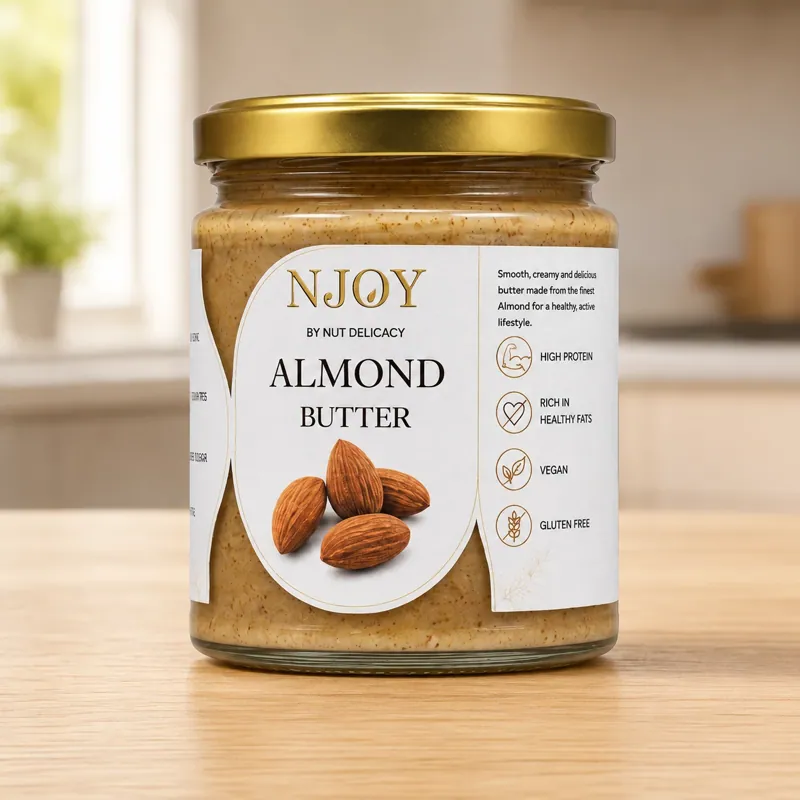
NJOY's almond and peanut butter product pages let you explore each option and check available sizes. If you are creating a mixed box, select products around the recipient's preferences and ask the team about any uncertain ingredient details. That approach makes the choice personal and useful.
- Compare plain products for a clearer tasting.
- Match the flavour to the meal you intend to make.
- Use current labels for nutrition and allergy questions.
- Choose a size and price that fit regular use.
Your questions, answered
Is almond butter always healthier than peanut butter?
There is no universal ranking for every person or meal. Compare the exact recipes, labelled nutrition and your needs rather than judging only by the nut name.
Can almond butter replace peanut butter in a recipe?
Often it can for a serving idea, but flavour and texture will change. For baking, test a small batch and check all the recipe ingredients and dietary requirements.
Sources & further reading
Harvard Nutrition Source: almonds ↗FDA: food allergy guidance ↗NJOY on Instagram: serving inspiration ↗General food information and serving suggestions. Check the current jar label for ingredients, allergens, nutrition and storage instructions. Brand-specific information is not a substitute for the delivered product label.