
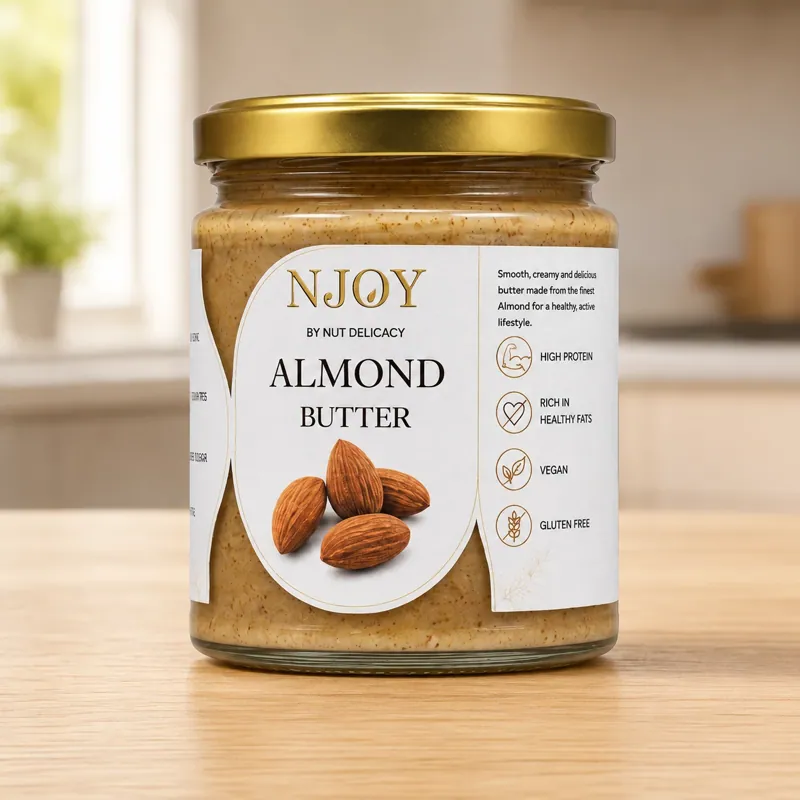
A separated jar needs context
Opening a jar and finding oil at the top can be surprising if you are used to a spread that stays evenly mixed. Separation can occur in natural nut butters. The oil layer and the thicker material beneath need to be mixed back together for a more consistent spoonful. Smucker's official natural peanut butter guidance also discusses oil separation, showing that this is a familiar issue in the category.
That observation is not a freshness test. Oil separation alone cannot confirm that a particular jar is safe, authentic or superior. First check the seal, labelled dates and manufacturer's instructions. If the product seems damaged or unusual, ask the seller about that jar rather than relying on a general internet answer.
Prepare before you start stirring
Place the jar on a stable counter with a plate underneath to catch drips. Use a clean, dry utensil that is comfortable to control and appropriate for the opening. Leave space around the jar so you can hold it steadily. A little preparation is easier than cleaning oil from the lid, label and worktop afterwards.
Start slowly near the surface instead of pushing rapidly into the bottom. Gradually fold some of the thicker butter into the oil and work around the sides. As the top becomes more even, reach deeper and bring the dense portion upwards. The aim is to combine the entire jar, not simply make the first spoonful look smooth.
Keep the oil in the mixture
Pouring away the top layer leaves less liquid available to mix with the solids below. If your goal is the texture the jar was designed to have, stir the separated oil back into the butter. Avoid adding another oil to the original jar just to make stirring quicker. You would be changing the stored product rather than mixing it.
Once combined, scrape the sides carefully, clean the rim and close the lid. For your next serving, a brief stir may be enough. If you cannot reach the bottom comfortably, do not improvise with a powered tool or an unstable setup. A modest amount of patient stirring is more practical than making the process complicated.
Storage instructions belong to the specific product
Some brands recommend refrigeration for their products and others give different directions. Smucker's notes that refrigeration slows separation for its peanut butter, but its instructions should not be transferred automatically to NJOY or another manufacturer's recipe. Follow the directions on the jar in front of you and ask the maker when they are unclear.
NJOY's owner specifies a butter shelf life of 2 months. Check the actual labelled dates and storage directions for your order; do not assume that mixing, cooling or opening the jar starts a fresh two-month period. When planning a gift, leave the recipient enough time to use it according to the pack.
Use a portion for recipe adjustments
For a thinner dressing or drizzle, put a measured portion in a separate bowl and adjust it there. This lets you add water, lemon, milk or seasoning for the recipe without introducing those ingredients into the main jar. Mix in small increments and stop when the portion reaches the consistency your dish needs.
A fully mixed jar is also helpful when comparing servings over several days: you are less likely to scoop mostly oil first and mostly dense butter later. If you prefer a consistently thick spread, discuss your texture preference with the seller before buying. A product's ability to remain evenly mixed is a formulation choice, not a complete verdict on its quality.
- Check the pack before making assumptions about the jar.
- Use a stable surface and a clean, dry utensil.
- Fold the thicker portion into the oil gradually.
- Adjust recipes in a separate bowl, not inside the stored jar.
Your questions, answered
Should I pour the oil off natural peanut butter?
If you want the product's intended mixture, stir the oil back in. Removing it can leave the remaining butter harder to combine and spread.
Does oil separation prove a nut butter is safe?
No. It is a texture observation. Check the seal, dates and storage instructions, and contact the seller about anything unusual.
Sources & further reading
Smucker's: official peanut butter FAQs ↗FSSAI: packaged-food labelling guidance ↗NJOY on Instagram: serving inspiration ↗General food information and serving suggestions. Check the current jar label for ingredients, allergens, nutrition and storage instructions. Brand-specific information is not a substitute for the delivered product label.