
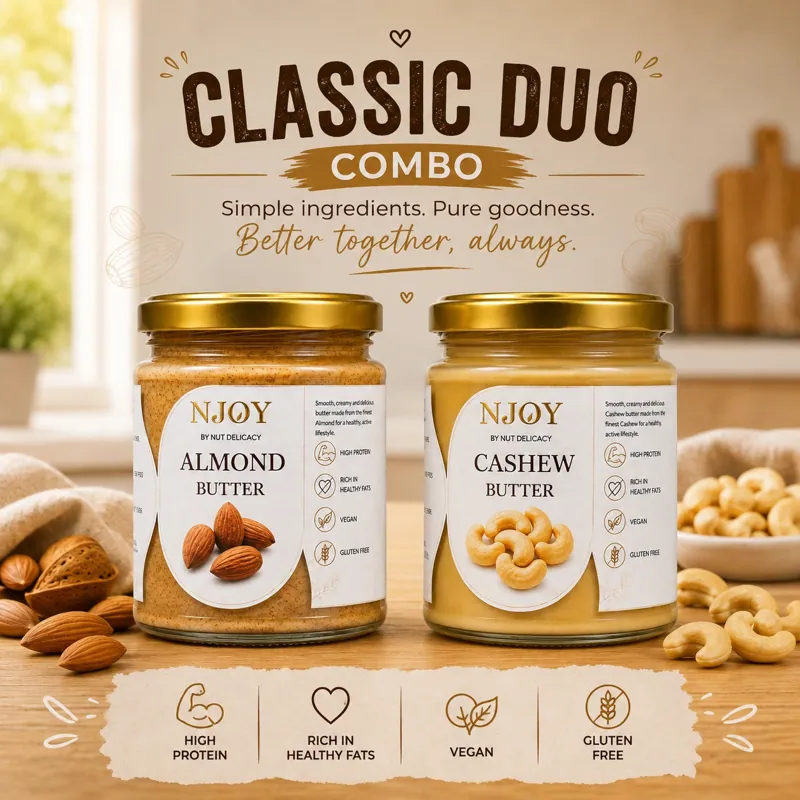
Give the jar a job before keeping it
An empty nut butter jar can be useful, but keeping every container without a purpose can simply move clutter from the bin to the cupboard. Start by deciding what you need: a place for stationery, a container for craft supplies or a tidy way to collect small items. Choose a real job before saving a stack of jars.
The US EPA places reducing and reusing ahead of recycling in its waste-management hierarchy. That provides a useful starting principle. It does not establish a complete environmental score for any particular NJOY order, which would need information about materials, manufacturing, transport and what happens after use.
Clean and inspect the empty container
When the jar is empty, clean it appropriately and inspect both the glass and the lid. Do not keep chipped, cracked or otherwise damaged containers in regular use. Remove residue and let the container dry before using it to organise non-food items. Keep the lid only if it remains suitable for the job you have chosen.
For a label that is difficult to remove, decide whether removal is actually necessary. A simple paper label identifying the new contents may be enough for a cupboard organiser. Avoid using abrasive methods that damage the container or make the task more elaborate than its value.
Three straightforward second uses
On a desk, an open jar can hold pens or a few small tools, provided it is stable and away from an edge. In a craft cupboard, a labelled jar can collect buttons, beads or other small supplies. For gifting supplies, it can keep spare tags and short lengths of ribbon together.
Make the contents obvious so someone does not mistake a repurposed food jar for an edible product. If you store non-food materials in it, keep it dedicated to that use. Place glass carefully around children and pets, and choose another type of organiser where breakage would be a concern.
Food storage and heating need more care
Do not assume an ordinary product jar is designed for canning, pressure processing, oven use or sudden temperature changes. A container that safely held the original product is not automatically suitable for every new kitchen task. Use equipment intended for the process you plan.
Likewise, putting homemade food in an empty jar does not give it the original product's shelf life. A prepared dressing, dessert or other food has different ingredients and handling needs. Follow appropriate guidance for that recipe rather than using the nut butter label as a storage instruction for the new contents.
Reduce packaging you do not need
For a gift order, ask which packaging options are available and select what fits the occasion. You may want a presentation box for a client or a simpler arrangement for an office tasting. Do not assume that every decorative layer adds value to the recipient. A clear greeting and useful product selection can make a thoughtful gift without unnecessary extras.
Reuse gift bags or boxes when they remain in good condition and suit a new purpose. Avoid presenting any packaging as zero-waste merely because it can potentially be reused. Whether it is actually reused and how it is later handled matter more than a broad label.
Recycle according to local rules
When a jar has no useful second job, check your local collection rules for glass and lids. EPA's glass guidance makes the same distinction: general advice is a starting point, while the local programme determines what it accepts. US collection rules should not be assumed to describe services in your Indian city.
A practical household routine is to buy a quantity you will use, plan one second use for suitable empty jars and recycle the rest through an appropriate local route. NJOY's selection can be part of that routine, but the useful action comes from how the products and packaging fit your home. Small, repeatable habits are easier to sustain than keeping containers indefinitely without a plan.
Your questions, answered
Can I use an empty nut butter jar for canning or oven cooking?
Do not assume it is suitable. Use equipment specifically intended for the process; an ordinary product jar is not automatically rated for heating or preserving.
Can every glass jar go into my local recycling bin?
Check your local programme's accepted materials and instructions for glass and lids. Rules differ between places, and damaged glass may need separate handling.
Sources & further reading
US EPA: reducing, reusing and recycling hierarchy ↗US EPA: glass recycling and local-programme differences ↗US EPA: refuse, reduce, reuse, repair, recycle ↗NJOY on Instagram: serving inspiration ↗General food information and serving suggestions. Check the current jar label for ingredients, allergens, nutrition and storage instructions. Brand-specific information is not a substitute for the delivered product label.