
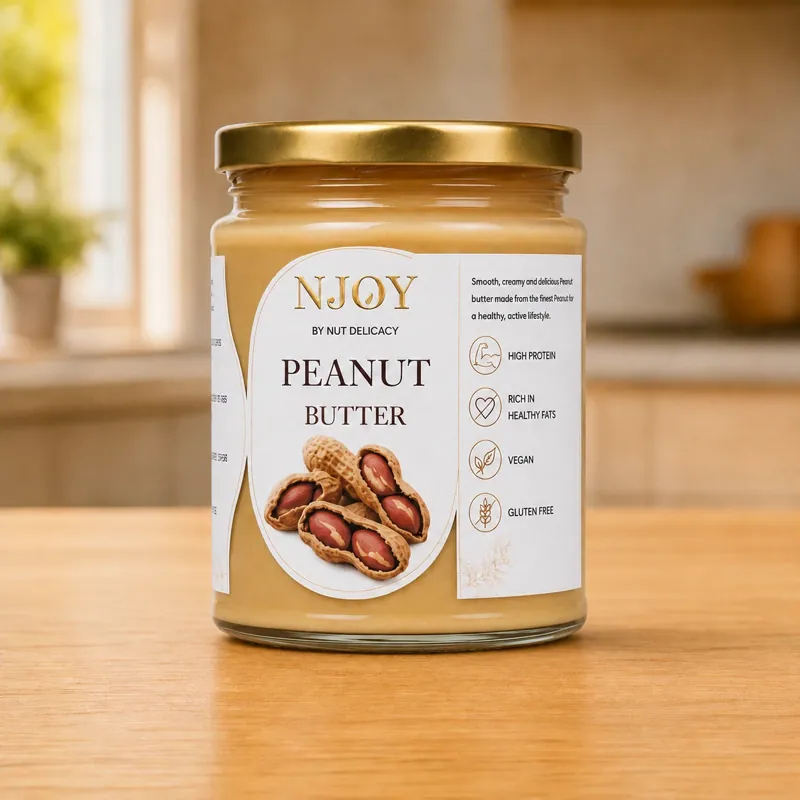
The portion matters as much as the headline
A protein number on a peanut butter jar can look impressive, but it only becomes useful when you know the amount of food it describes. Some labels show figures per 100g and others also show a suggested serving. Neither is automatically the amount you will eat. Start by identifying the basis of the numbers before deciding how the jar fits your meal.
USDA MyPlate includes nuts and nut butters within its Protein Foods group and encourages variety within that group. This is a useful way to understand their place in a diet. It does not mean that a spoonful of every peanut butter delivers the same protein, or that the jar needs to become your only protein food.
Use a simple calculation
The calculation is labelled protein per 100g multiplied by your portion in grams, divided by 100. Suppose a fictional product lists 24g protein per 100g. A weighed 15g portion would contain 3.6g protein, and a weighed 20g portion would contain 4.8g. These figures illustrate the arithmetic; they are not nutrition claims for NJOY or another brand.
You can apply exactly the same method to energy, sugar or sodium when the label uses a per-100g basis. If your jar already gives a serving figure, check the serving weight and compare it with what you actually take. A heaped spoon and a level spoon can differ, so a kitchen scale makes the comparison clearer.
Keep comparisons on the same basis
When comparing brands, use the same amount of food. A claim for 100g should not be placed beside another brand's small serving without converting it. Also check the exact variant: plain, chocolate and other recipes may use different ingredients. Numbers from one product should not be carried across the entire brand.
For your first few meals, weigh your usual portion and note the result. This is a way to learn what your serving looks like, not a requirement to measure every meal forever. It can help you understand how quickly you use a jar and whether the pack size suits your routine.
Look at the complete meal
Peanut butter can sit beside bread, oats, fruit or other foods rather than needing to do every nutritional job alone. Consider the whole meal you enjoy and the rest of your day. Adding more spread only to chase a protein number changes the amount of food you are eating as well.
You may choose a small portion for flavour while getting protein from other familiar foods. Or you may use nut butter as one ingredient in a more substantial meal. The practical point is to make the label work for your actual eating pattern instead of letting a marketing headline determine the serving.
Be cautious with performance promises
A peanut butter article cannot establish that a particular jar will build muscle, cause weight loss or meet someone's individual dietary needs. Those outcomes depend on many factors beyond one food. If you need a personal protein target because of a health condition or a specific training plan, seek appropriate professional advice rather than taking a product headline as a plan.
For an ordinary purchase, ask simpler questions: do you like the flavour, does the ingredient list suit you, and can you use the jar within its labelled dates? NJOY's product details can help you explore options, but the current nutrition panel on your exact pack is the reference for portion calculations.
Keep a short comparison note with the variant name, protein basis and portion weight. That makes a future reorder easier and helps you notice if a recipe or pack changes. A clear calculation is more useful than assuming all natural peanut butter has one universal nutritional profile.
- Identify whether figures are per 100g or per serving.
- Use the serving weight you actually eat.
- Compare exact variants on the same basis.
- Treat nut butter as one ingredient in a varied meal.
Your questions, answered
How much protein is in one tablespoon of peanut butter?
It depends on the product and the amount in your spoon. Weigh the portion and calculate from the current nutrition label instead of relying on one universal tablespoon figure.
Can I rely on peanut butter alone for my protein needs?
A varied diet uses different foods. Individual requirements vary, and a product label is not a personalised dietary plan.
Sources & further reading
USDA MyPlate: Protein Foods group and variety ↗MYFITNESS: check nutrition for the exact variant ↗NJOY on Instagram: serving inspiration ↗General food information and serving suggestions. Check the current jar label for ingredients, allergens, nutrition and storage instructions. Brand-specific information is not a substitute for the delivered product label.