
Texture is a kitchen decision
Smooth versus crunchy peanut butter is usually a question of the eating experience you want. Smooth spreads provide a more even layer. Crunchy versions add pieces that you can feel while chewing. Neither texture is automatically better for every meal, and the texture name does not tell you the complete recipe. Check ingredients and nutrition separately.
The distinction becomes more useful when you picture the finished dish. A silky dressing and a textured sandwich need different things from the same ingredient. If you buy only one jar, choose the texture that fits your most frequent use. You can add chopped nuts to a smooth spread at serving time when you want extra crunch.
For toast and sandwiches
Smooth peanut butter is convenient when you want a thin, even coating across toast. Let hot toast settle briefly, then spread from the centre towards the edges. This gives you more control than piling everything into one spot. Add fruit after spreading so that you can still cover the bread evenly.
Crunchy peanut butter works well when the filling itself should provide texture. Try it with firm apple slices or a simple banana sandwich. If you already have seeds, toasted nuts or granola in the meal, consider whether more crunch helps. A smooth layer can make a busy combination feel more balanced. These are flavour preferences rather than nutritional rules.
For sauces, oats and smoothies
For a pourable peanut dressing, smooth butter is easier to incorporate into an even mixture. Whisk a small spoonful with lime, a splash of water and your preferred seasoning in a separate bowl. Add liquid gradually and taste as you go. If you want crunch, sprinkle it over the finished dish rather than leaving lumps inside the dressing.
A smooth spread also disappears more evenly into oats or a blended drink. Crunchy butter can be enjoyable in a porridge bowl if you want pieces throughout. A blender may reduce those pieces, so paying specifically for a crunchy texture makes less sense if every serving will be fully blended. Match your purchase to what happens in your kitchen.
For baking and desserts
When following a baking recipe, start with the type the recipe specifies. Switching to a crunchy jar can add texture, but changing the ingredient formula at the same time may affect the result. Sweetened and unsweetened spreads are different substitutions even if both say smooth on the front. Record the jar you used when you find a result you like.
For an easy dessert plate, a smooth spread can form a neat layer under sliced fruit. A crunchy spread can add interest to a biscuit sandwich or a topping. If the mixture is too thick for the intended use, adjust a small portion separately rather than adding liquid to the original jar. That keeps the stored product and your prepared dish separate.
Read beyond the texture label
MYFITNESS's official range illustrates how one brand can offer multiple peanut butter textures and flavours. Check the exact product page and current pack instead of carrying the nutrition numbers from one variant over to another. Crunchy does not automatically mean higher protein, and smooth does not automatically mean more sugar.
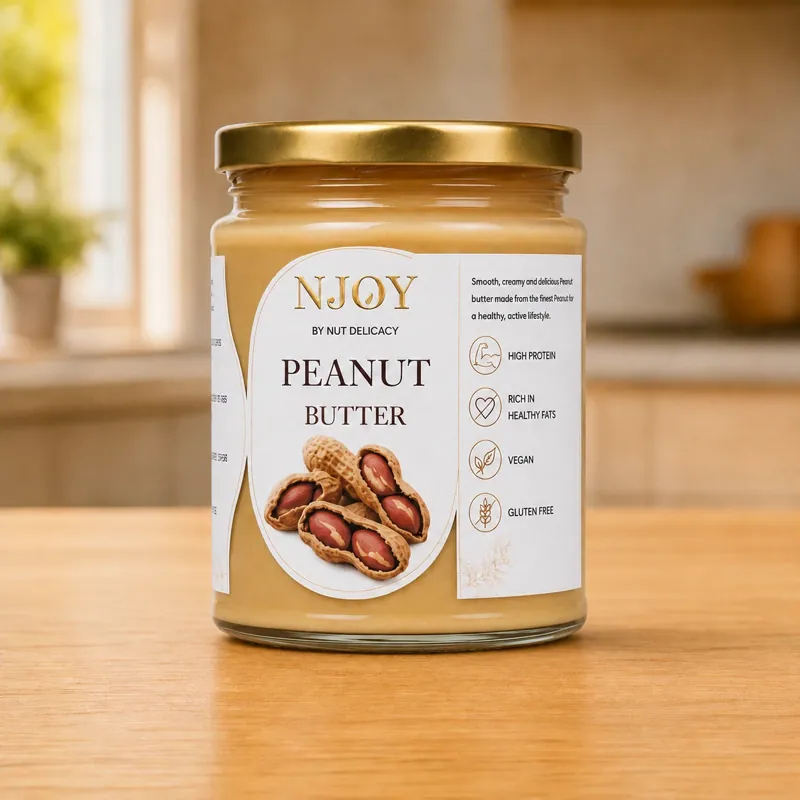
NJOY's product pages describe each nut butter so you can choose a flavour for the meal you want to make. If you need a particular texture for an order, ask the team to confirm it. For a tasting session, serve two small portions on the same bread with the same topping. Changing only one thing makes your own preference much clearer than comparing two completely different meals.
- Choose smooth for an even spread or an integrated sauce.
- Choose crunchy when you want pieces in the finished bite.
- Follow the specified jar type when testing a baking recipe.
- Check current ingredients and nutrition independently of texture.
Your questions, answered
Can I use crunchy peanut butter in a smoothie?
Yes, if the product suits your diet and your blender can process it. The pieces may become smaller, so smooth butter may be simpler if you want an entirely even drink.
Does crunchy peanut butter always contain more protein?
No. Compare the exact products' nutrition panels on the same basis. Texture alone is not a reliable nutrition measure.
Sources & further reading
MYFITNESS: smooth and crunchy peanut butter products ↗NJOY: serving inspiration on Instagram ↗General food information and serving suggestions. Check the current jar label for ingredients, allergens, nutrition and storage instructions. Brand-specific information is not a substitute for the delivered product label.